


8 Signs Your Roof is Failing (That Aren’t Leaks)
TL;DR: Your roof usually fails long before you see water dripping from the ceiling. Keep an eye out for "balding" shingles (granules in your gutters), curling or cupping edges, and rusted metal flashing around chimneys. More serious signs include a sagging roofline, cracks across shingles, or even rising energy bills caused by poor attic ventilation. If you see moss growing or sunlight peeking through your attic boards, your roof’s "expiration date" is likely here. Don't wait for a storm to find out; catch these signs early to save thousands in structural repairs.
Most homeowners wait for a drip from the ceiling before they call a roofer. But in the world of home maintenance, a leak isn’t the first sign of trouble—it’s the final stage of failure. Catching a failing roof before the water gets in can save you tens of thousands of dollars in structural repairs, mold remediation, and interior damage. When a roof reaches the end of its life, it starts to "whisper" its problems through subtle physical changes long before it "shouts" via a flooded living room.
If you want to protect your investment and stay ahead of the curve, keep an eye out for these non-leak warning signs during your next yard walk-around.

If you’re cleaning your gutters and notice they look like they’ve been filled with coarse, dark sand, your shingles are essentially "balding." These granules are not just for aesthetics; they are the roof’s primary defense system. They protect the asphalt layer from the sun’s harsh UV rays. Once these granules slough off, the underlying asphalt is exposed to the elements, causing it to become brittle and crack under the sun's heat. If you see consistent "bald spots" on your shingles from the ground, the protective integrity of the roof is officially gone. This is a common sign for roofs that are 15–20 years old.
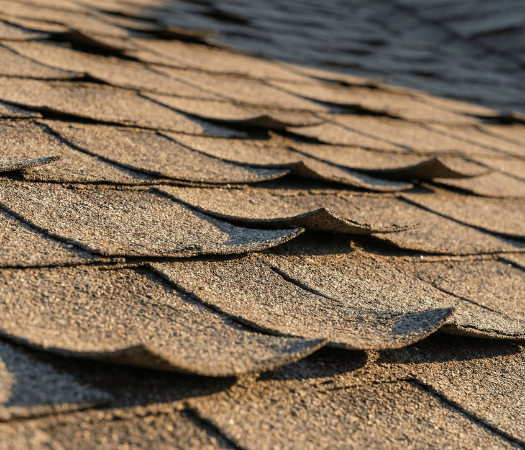
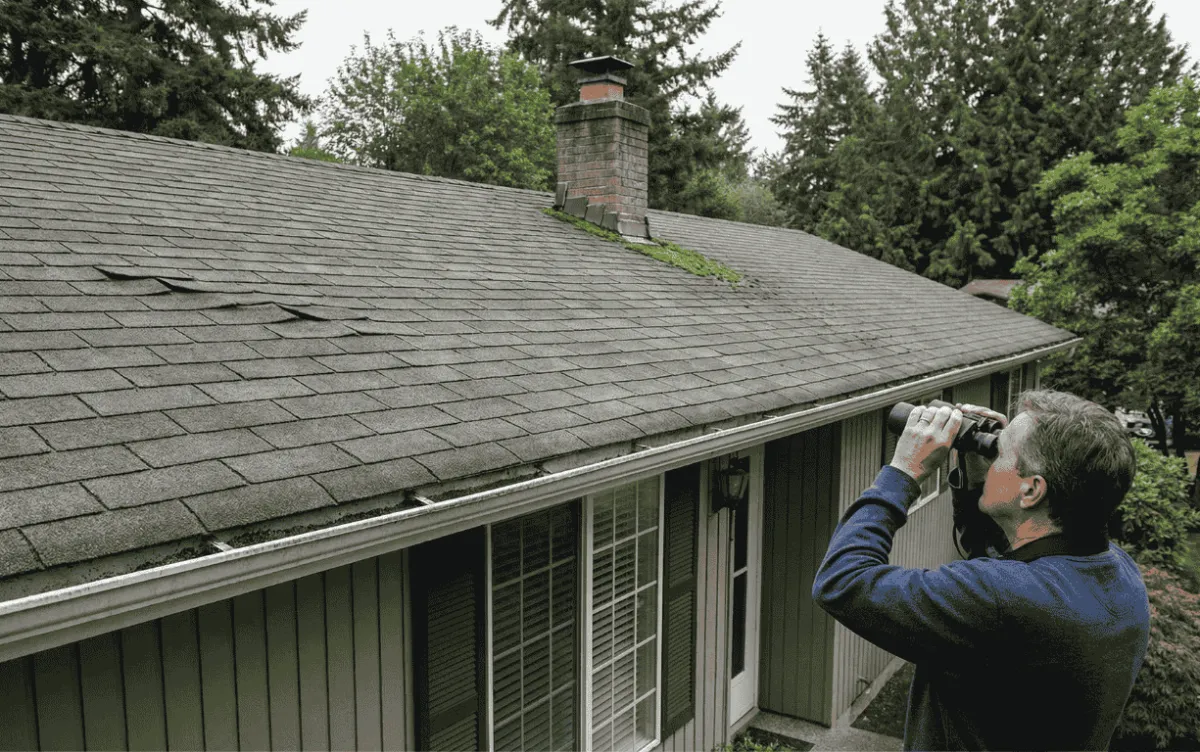
Take a look at your roofline during the "golden hour" when the sun is low—the shadows will reveal the true texture of your shingles. Do they look flat and uniform, or are the edges turning upward (cupping) or inward (clawing)?
Cupping often happens when the shingles are drying out or were improperly ventilated, while clawing is a sign of extreme age and heat stress. Both conditions mean the shingle has lost its physical flexibility. Brittle shingles are easily caught by high winds and can be ripped off in the next minor storm, leaving your underlayment completely exposed to the rain.

Flashing is the thin metal material installed around chimneys, dormers, skylights, and vent pipes. It is, quite literally, your roof's most vulnerable point because it covers the "seams" where the roof meets a vertical surface.
If the flashing is rusted, cracked, or pulling away from the structure, water is likely already seeping into your roof deck. Many older homes use roof cement or caulk as a temporary fix, but if you see "dried-up," crumbling sealant or gaps where the metal should be flush, your seal is compromised. Replacing flashing is a minor repair that prevents a major replacement, but ignored flashing is a leading cause of rotted roof decks.
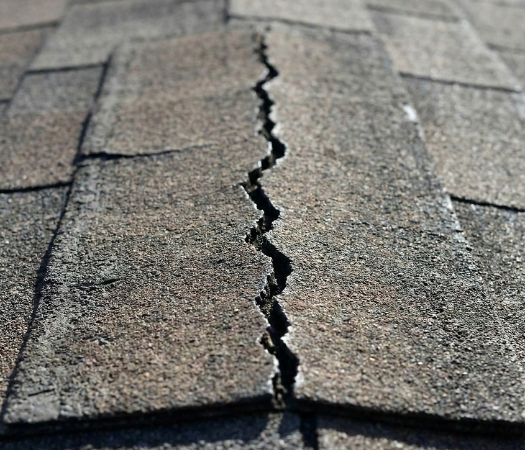
Extreme temperature swings cause shingles to expand and contract. Over time, this leads to thermal splitting—cracks that look like jagged lightning bolts across the shingle. Unlike a simple chip, a split goes deep. Even if the crack doesn't go all the way through yet, it creates a direct path for moisture to sit against the underlayment. This moisture eventually rots the wood decking from the outside in, often without ever showing a drip on your ceiling until the wood is completely soft and structurally unsound.

This is the most serious sign on the list and requires immediate attention. A sag in the roof usually indicates a structural issue rather than just a cosmetic one. It often means the decking (the plywood or OSB underneath the shingles) has been weakened by long-term, hidden moisture or that the internal rafters are failing under the weight. If you notice a dip, a "swale," or a curve in the ridge of your roof, the structural integrity of your home is at risk. This is not a "wait and see" situation; it is a "call a professional today" situation.
Sometimes the sign of a failing roof isn't on the roof at all—it’s in your mailbox. If your cooling bills have skyrocketed, your roof’s ventilation system might be failing. When attic vents are blocked or the roof material has degraded, heat gets trapped in your attic. This "oven effect" bakes your shingles from the inside out and forces your AC to work double-time. A roof that can't breathe is a roof that is dying, and it's costing you money every single month.
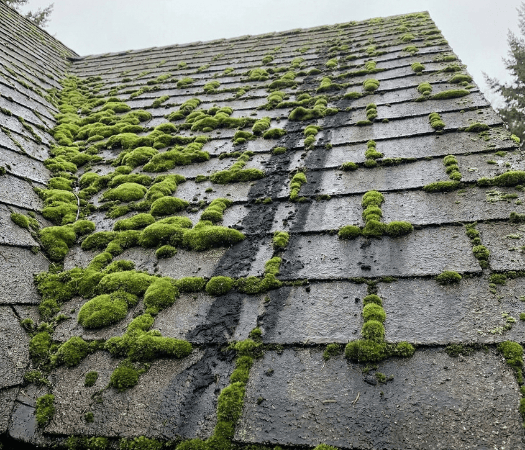
While a little bit of moss might look charming or "cottage-core," it’s a death sentence for shingles. Moss acts like a sponge, holding moisture against the roof surface for weeks at a time. In cold climates, this moisture freezes and thaws, prying the shingles apart. If you see green clumps or dark, "streaking" algae, the roots are likely already digging into the shingle base, compromising the asphalt's bond and creating a permanent moisture trap.
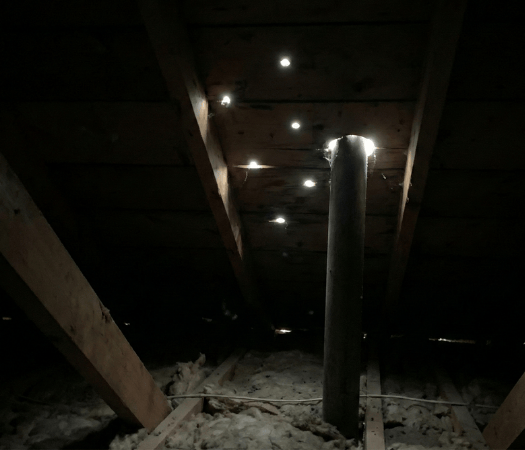
This is a simple test: on a sunny day, go into your attic and turn off the lights. If you see "pinpricks" of daylight peeking through the roof boards, you have a problem. If light can get in, water can get in. While it may not be a full-blown leak yet, those holes will allow moisture and cold air to enter your home, leading to mold growth and wood rot over time.
Your roof is a complex system designed to shed water and manage temperature. If you notice even one of these signs, it’s time to get a professional assessment. Catching these issues early often means the difference between a simple, affordable maintenance repair and a full-scale emergency replacement.